Pumpkins; Brief History
/
Pumpkins: How Native Americans Used This Remarkable Plant
Long before pumpkins became front-porch décor and the stars of fall desserts, they were an essential part of daily life for Native American communities across North America. One of the oldest cultivated crops in the Western Hemisphere, pumpkins and their close relatives—squash and gourds—were being grown in Mexico more than 7,500 years ago. Over centuries, the plant spread north, becoming a staple in the diets, agriculture, and material culture of Indigenous peoples.
A Nutrient-Rich Food Source
Pumpkins were a dietary powerhouse. Indigenous cooks roasted strips of pumpkin over the fire, mashed and boiled the flesh, or dried it into thin sheets that could be stored for winter. Seeds were roasted as a high-protein snack and pressed for oil. Some tribes even used pumpkin blossoms in soups and stews. The fruit’s long storage life made it especially valuable during the lean winter months.
The Three Sisters: Agriculture in Harmony
Pumpkins played a starring role in traditional companion planting. In the Three Sisters system—corn, beans, and squash—each plant supported the others:
Corn provided the tall structure for climbing beans.
Beans fixed nitrogen into the soil, enriching it.
Pumpkins and squash sprawled across the ground, shading out weeds and conserving moisture with their broad leaves.
This cooperative planting method created a highly productive mini-ecosystem long before the term “sustainable agriculture” existed.
Tools, Containers & Everyday Uses
Pumpkins weren’t just food—they were versatile raw materials:
Dried pumpkin strips were braided into mats.
Hollowed pumpkins and gourds became bowls, ladles, storage vessels, and even water dippers.
Dried shells could be carved, decorated, or used as rattles in ceremonies.
Some tribes used pumpkin fibers for rope or weaving.
Pumpkin flesh was used to make a type of poultice, taking advantage of its moisture content to soothe skin and minor burns.
These practical uses meant that nearly every part of the pumpkin served a purpose.
Medicine, Dye & Other Unusual Purposes
Different communities found additional uses for pumpkins beyond the expected:
Medicinal remedies included using pumpkin seed preparations for urinary and digestive issues.
Pumpkin pulp was sometimes applied as a soothing skin treatment.
Some groups used pumpkin flowers not only for food but also as a natural dye.
Seeds were valued spiritually and sometimes used in planting rituals or ceremonies related to fertility and abundance.
A Legacy That Still Shapes Today’s Gardens
The traditions surrounding pumpkins continue to influence gardening practices—especially the Three Sisters companion system, which many modern growers still use to improve soil health and maximize growing space.
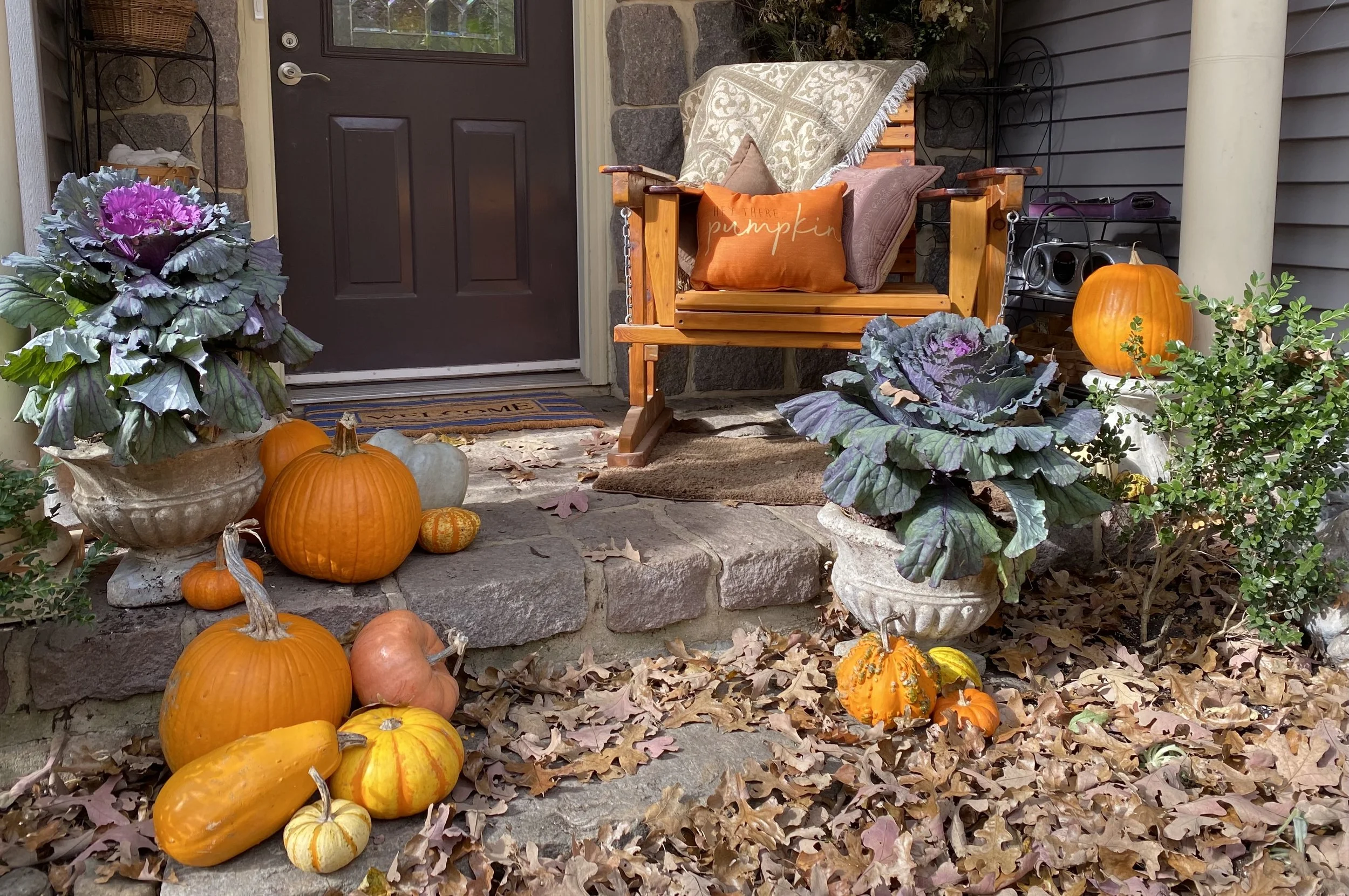
And of course, pumpkins remain a seasonal favorite. Whether baked into pies, carved for Halloween, or displayed on porches, they’re a reminder of a long agricultural heritage that shaped both Indigenous foodways and American history.
For more cooking, gardening, beekeeping and easy home decor tips, subscribe to Garden Notes.