Lettuce Alternatives
/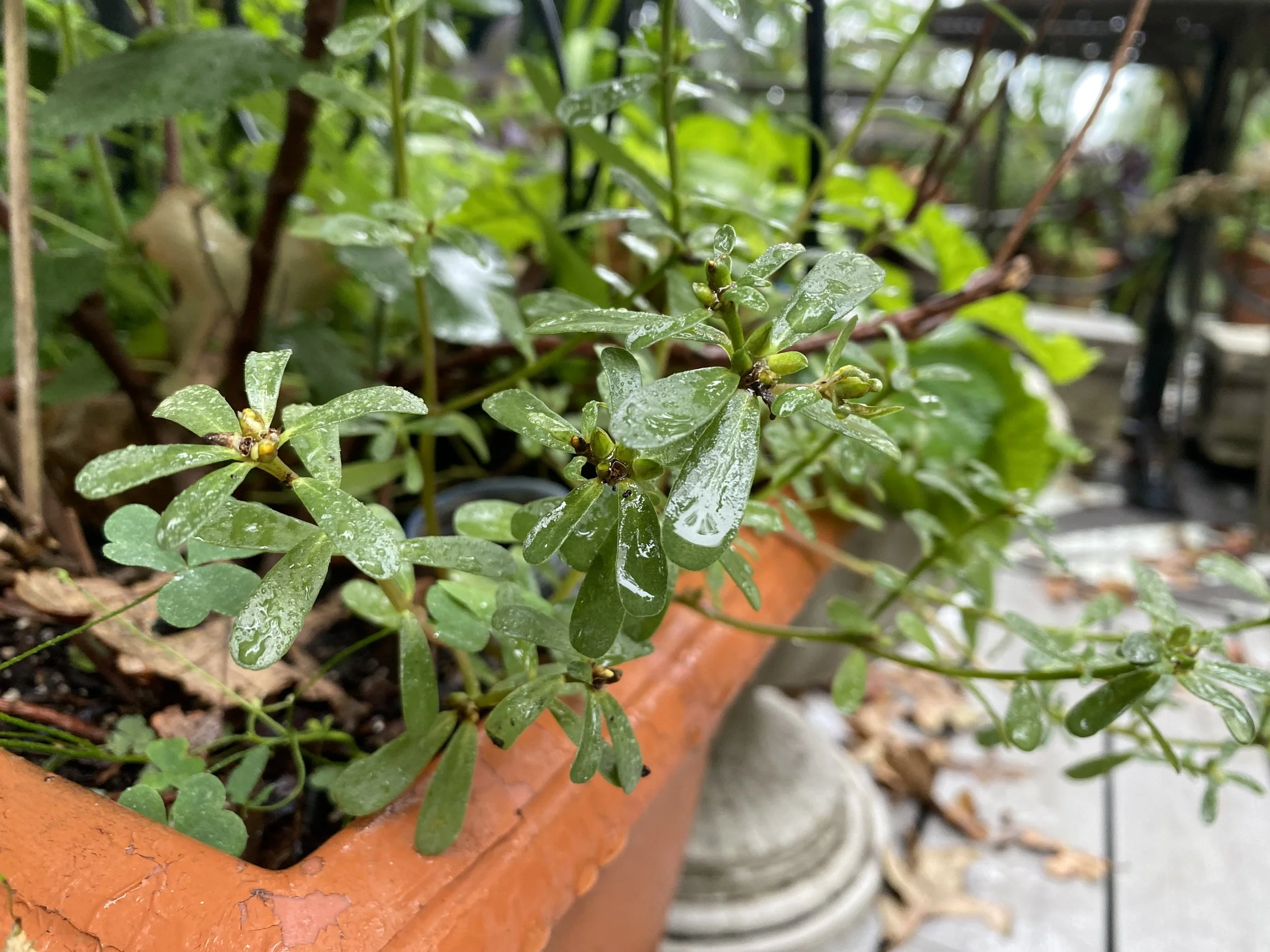
Pursale, often labelled a weed, is high in vitamins and an excellent green to add to salads. (charlotte ekker wiggins photo)
Lettuce Alternatives
Nothing says summer quite like a crisp green salad. Unfortunately, leafy greens occasionally make the news for the wrong reasons. Recent outbreaks of Cyclospora linked to fresh produce remind us that eating healthy also means making smart food choices.
What is Cyclospora?
Cyclospora is a microscopic parasite that can contaminate fresh fruits and vegetables. Unlike many foodborne bacteria, it doesn't spread directly from one person to another. Instead, produce becomes contaminated through unsafe water or poor sanitation during growing, harvesting, or processing.
Symptoms usually begin about a week after eating contaminated food and may include:
Frequent watery diarrhea
Stomach cramps
Nausea
Loss of appetite
Fatigue
Weight loss
While healthy adults often recover, the illness can last for weeks without treatment and can be especially difficult for older adults or anyone with a weakened immune system.
Can Washing Lettuce Prevent It?
Unfortunately, no. Rinsing lettuce under running water removes dirt and some microbes, but Cyclospora can cling tightly to leafy surfaces. Commercial bagged salads labeled "pre-washed" or "triple-washed" are convenient, but they are not sterile.
The safest approach is to:
Purchase produce from reputable sources.
Refrigerate promptly.
Wash whole heads of lettuce under cool running water before use.
Stay informed about food recalls.
Healthy Alternatives to Lettuce
If you're hesitant to serve lettuce during an outbreak—or simply want to diversify your salads—there are many nutritious substitutes.
1. Common Purslane: Rich in vitamins, minerals, omega-3 fatty acids. Mild tangy taste.
2. Baby Spinach: Rich in vitamins A, C, and K, plus iron and folate. Its mild flavor works well in salads and sandwiches.
3. Kale: Packed with antioxidants, calcium, and fiber. Massaging chopped kale with a little olive oil softens the leaves and improves flavor.
4. Shredded Cabbage: Crunchy, inexpensive, and naturally keeps much longer than lettuce. Both green and purple cabbage add color and nutrients.
5. Swiss Chard: Tender young leaves make excellent salad greens while providing magnesium, potassium, and vitamins A and K.
6. Arugula: Its peppery flavor pairs beautifully with tomatoes, berries, pears, or grilled chicken.
7. Microgreens: These tiny seedlings contain concentrated nutrients and add fresh flavor to salads, wraps, and sandwiches.
8. Fresh Herbs: Parsley, cilantro, basil, dill, and mint can become part of the salad instead of just a garnish, adding both nutrition and flavor.
Why Variety Matters
Nutrition experts have long encouraged us to "eat the rainbow." Rotating the greens we eat provides a broader range of vitamins, minerals, antioxidants, and beneficial plant compounds. It also reduces reliance on any single crop that could be affected by weather, pests, or food safety issues.
As gardeners, we can grow several types of leafy greens throughout the season, giving our families fresh options while reducing dependence on store-bought lettuce.
For more gardening, beekeeping, cooking and easy home decor tips, subscribe to Garden Notes.